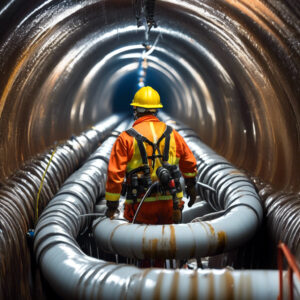
Pipeline cleaning is an essential maintenance process for industries that rely on pipelines for transporting liquids, gases, or other materials. Regular cleaning ensures efficiency, safety, and longevity of the pipeline infrastructure. Whether you are in the oil and gas sector, water treatment, or any other industry that uses pipelines, finding the right cleaning service at the best price is crucial.
Shopping for pipeline cleaning services requires careful evaluation of providers, cleaning methods, and costs. With numerous options available, it’s easy to get overwhelmed. However, by following a strategic approach, you can secure the best service without overspending. This guide will help you understand the pipeline cleaning process, identify what to look for in a service provider, and negotiate the best deal.
Understanding Pipeline Cleaning
Why Is Pipeline Cleaning Necessary?
Pipelines accumulate deposits over time, including scale, corrosion, sediment, and biological growths. If left unchecked, these buildups can lead to:
- Reduced flow efficiency, increasing operational costs.
- Increased pressure within the system, leading to safety hazards.
- Contamination of transported materials.
- Structural damage and pipeline failure.
Regular cleaning prevents these issues and extends the lifespan of the pipeline system, making it a cost-effective investment in the long run.
Types of Pipeline Cleaning Methods
Understanding different cleaning methods will help you choose the most suitable and cost-effective service. Some common techniques include:
Mechanical Cleaning – Uses tools such as scrapers, brushes, and pigs (pipeline inspection gauges) to remove debris and buildup.
Chemical Cleaning – Involves the use of specialized chemicals to dissolve and remove contaminants inside the pipeline.
Hydraulic Cleaning – Utilizes high-pressure water or foam pigs to clear debris.
Biological Cleaning – Introduces microorganisms to break down deposits naturally, often used in environmentally sensitive areas.
Dry Ice Blasting – Uses compressed CO2 to clean without leaving residue, suitable for delicate operations.
The best cleaning method depends on factors like pipeline material, type of buildup, and industry regulations.
Shopping for Pipeline Cleaning Services
Researching Service Providers
The first step in getting the best price for pipeline cleaning is finding reputable providers. Here’s how to evaluate potential companies:
Check Credentials and Experience – Look for companies with a proven track record in your industry. Verify certifications, licenses, and compliance with safety regulations.
Read Customer Reviews and Testimonials – Online reviews and word-of-mouth recommendations can help gauge reliability.
Compare Services Offered – Ensure the company provides the specific cleaning method you need.
Ask About Equipment and Technology – Advanced technology often translates to better and more cost-effective cleaning.
Verify Insurance and Liability Coverage – Protect yourself from potential damages or service failures.
Requesting Quotes and Comparing Prices
Once you have a shortlist of potential providers, the next step is obtaining quotes. Follow these steps to get the best deal:
Request Detailed Estimates – Ask for itemized quotes that break down costs for labor, equipment, materials, and additional fees.
Consider Multiple Bids – Compare at least three different providers to get a sense of market pricing.
Look Beyond the Initial Price – A lower price might not include essential services. Check for hidden fees.
Negotiate Bulk or Long-Term Discounts – If you require regular pipeline cleaning, negotiating a service contract can lead to significant savings.
Reducing Pipeline Cleaning Costs
Even with competitive pricing, there are ways to reduce costs further:
Perform Regular Maintenance
Routine maintenance reduces the severity of buildup, making cleaning easier and less expensive. Establishing a preventative maintenance schedule ensures pipelines stay in optimal condition.
Choose the Right Cleaning Method
Some methods are more cost-effective than others. For instance, mechanical pigging is often more affordable than chemical cleaning. Work with your provider to determine the most efficient option.
Bundle Services
If you have multiple pipelines or need additional maintenance services, bundling them together may qualify you for discounted rates.
Consider In-House Cleaning
For businesses with extensive pipeline systems, investing in basic in-house cleaning equipment can reduce the need for frequent professional services.
Optimize Cleaning Frequency
Cleaning too often can be costly, while waiting too long can lead to expensive repairs. Use monitoring tools to determine the optimal schedule.
Negotiating a Better Deal
Once you’ve selected a provider, negotiating can help you secure a better price. Here are some effective tactics:
Leverage Multiple Quotes – Mention competing offers to encourage better pricing.
Ask About Promotions and Discounts – Some companies offer seasonal or first-time customer discounts.
Negotiate Service Contracts – Long-term agreements often come with reduced rates.
Request a Performance Guarantee – Ensure the provider stands behind their work.
Be Clear About Your Budget – If pricing is above your budget, express this and see if the provider can adjust costs.
Conclusion
Shopping for pipeline cleaning services requires careful research, cost comparisons, and negotiation. By understanding different cleaning methods, evaluating providers, and leveraging negotiation tactics, you can secure high-quality service at the best price. Investing in routine maintenance and choosing cost-effective cleaning solutions will further optimize expenses. Ultimately, taking a strategic approach to pipeline cleaning will enhance pipeline longevity, improve efficiency, and ensure compliance with industry standards.
By following these steps, you can make informed decisions and avoid unnecessary costs while maintaining the integrity of your pipeline system. Whether you need a one-time cleaning or ongoing service, being proactive in your approach will pay off in the long run.