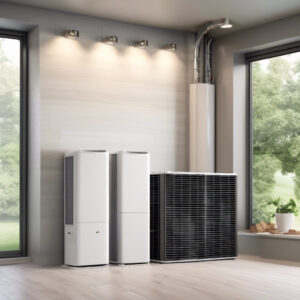
As homeowners in San Jose, CA, look for energy-efficient heating and cooling solutions, heat pumps have become an increasingly popular option. With their ability to provide both heating and cooling, heat pumps offer an eco-friendly and cost-effective alternative to traditional HVAC systems. However, choosing the right heat pump for your home and ensuring a successful installation can be a daunting process. There are many factors to consider, from selecting the right type and size to finding a reliable installer.
This guide will walk you through essential shopping tips for heat pump installation in San Jose, CA. Whether you’re upgrading an existing system or installing a new one, understanding these key aspects will help you make an informed decision and maximize your investment.
Understanding Heat Pumps and Their Benefits
Before diving into the shopping process, it’s important to understand how heat pumps work and why they are a great option for San Jose’s climate. Heat pumps transfer heat rather than generate it, making them highly energy-efficient. In warmer months, they pull heat from inside your home and move it outdoors to cool your living space. In colder months, they extract heat from the outside air and bring it indoors to warm your home.
Benefits of Heat Pumps:
Energy Efficiency – Heat pumps use less electricity than conventional HVAC systems.
Year-Round Comfort – They provide both heating and cooling, making them a versatile solution.
Environmentally Friendly – Reduced energy consumption lowers your carbon footprint.
Lower Utility Bills – Their efficiency translates into cost savings on your energy bills.
Quiet Operation – Modern heat pumps run more quietly than traditional air conditioning units and furnaces.
Key Factors to Consider When Shopping for a Heat Pump
Choose the Right Type of Heat Pump
There are different types of heat pumps available, and selecting the right one depends on your home’s specific needs and existing HVAC system.
Air-Source Heat Pumps – The most common type, air-source heat pumps extract heat from the air outside. They are ideal for San Jose’s mild winters and warm summers.
Ductless Mini-Split Heat Pumps – If your home doesn’t have ductwork, a ductless mini-split system is a great option. They provide zoned heating and cooling, making them highly efficient.
Geothermal Heat Pumps – These systems use the earth’s temperature for heating and cooling. While they have higher upfront costs, they offer long-term savings and are extremely energy-efficient.
Consider the Size of the Heat Pump
Selecting the right size heat pump is crucial for efficiency and comfort. A system that is too small will struggle to heat or cool your home, while an oversized unit will cycle on and off frequently, reducing efficiency and increasing wear and tear.
Factors that affect the size you need include:
- Square footage of your home
- Insulation levels
- Number of windows and their efficiency
- Local climate conditions
- Home orientation (sun exposure)
A professional HVAC technician can perform a load calculation to determine the ideal size for your heat pump.
Check Energy Efficiency Ratings
When shopping for a heat pump, pay close attention to efficiency ratings. Higher efficiency means lower energy consumption and reduced utility bills.
SEER (Seasonal Energy Efficiency Ratio) – Measures cooling efficiency; higher SEER ratings indicate better performance.
HSPF (Heating Seasonal Performance Factor) – Measures heating efficiency; a higher HSPF means better heating performance.
ENERGY STAR Certification – Look for heat pumps with the ENERGY STAR label for guaranteed energy savings.
Look for Rebates and Incentives
California offers several rebates and incentives for installing energy-efficient heat pumps. Check with local utility companies and state programs to see what discounts or rebates are available. Programs such as TECH Clean California and incentives from PG&E can help offset installation costs.
Choose a Reliable Heat Pump Brand
Some of the most reputable heat pump brands include:
Carrier
Trane
Mitsubishi Electric
Daikin
Lennox
Shopping for Each brand offers different models with various features. Research customer reviews, warranties, and performance ratings before making a decision.
Find a Qualified Installer
A high-quality installation is just as important as selecting the right heat pump. Even the best system will underperform if it’s not installed correctly. When choosing an installer in San Jose, consider the following:
Licensing and Certifications – Ensure the contractor is licensed and has relevant certifications such as NATE (North American Technician Excellence).
Experience with Heat Pumps – Look for a contractor with extensive experience installing heat pumps.
Customer Reviews and References – Check online reviews and ask for references from past customers.
Warranty and Service Agreements – A reputable installer should offer a solid warranty on labor and provide service agreements for maintenance.
Understand Installation Costs
The cost of heat pump installation in San Jose varies based on the type of system, brand, and installation complexity. On average, you can expect to pay between $5,000 and $12,000, including labor. Additional costs may arise if you need new ductwork, electrical upgrades, or modifications to your existing HVAC system.
Plan for Regular Maintenance
To ensure your heat pump operates efficiently and lasts for years, schedule regular maintenance. This includes:
- Cleaning or replacing air filters regularly
- Checking refrigerant levels
- Inspecting and cleaning coils
- Ensuring the outdoor unit is free of debris
Many HVAC companies offer maintenance plans that include routine check-ups, which can help extend the lifespan of your system and prevent costly repairs.
Conclusion
Investing in a heat pump is a smart decision for homeowners in San Jose, CA, looking for an energy-efficient and environmentally friendly heating and cooling solution. By considering key factors such as the type of heat pump, size, efficiency ratings, rebates, and installation quality, you can make a well-informed choice that meets your home’s needs.
Choosing a reliable contractor and understanding the installation costs and maintenance requirements will further ensure that your heat pump operates optimally for years to come. With the right approach, you’ll enjoy comfortable indoor temperatures while saving money on energy bills and reducing your carbon footprint.
If you’re ready for heat pump installation San Jose CA , start by researching reputable local HVAC professionals and exploring available rebates. Taking these steps will put you on the path to a more energy-efficient and comfortable home in San Jose, CA.